
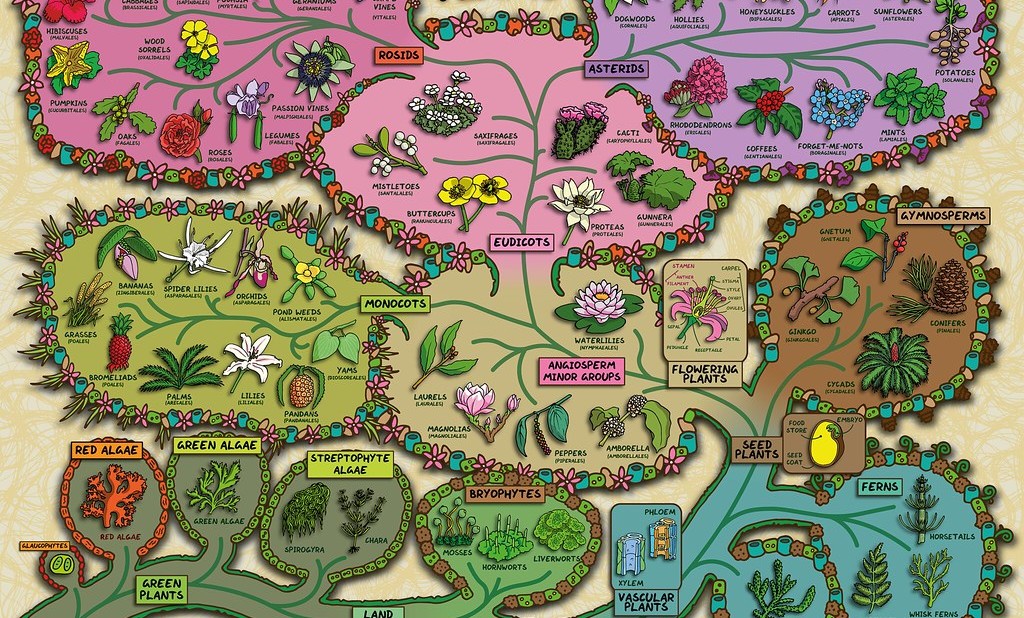
Human history is often told through the stories of kings, inventions, and wars. But another force has quietly shaped civilizations for thousands of years: plants.
Long before modern technology connected the world, certain crops influenced trade routes, economies, exploration, and daily life. Wheat helped establish some of the earliest agricultural societies. Tea became woven into cultural traditions across continents. Coffee transformed social spaces and global commerce.
Among these influential plants is one that continues to spark curiosity today: cannabis.
The Plants That Built Civilizations
It is difficult to imagine modern society without the plants that supported its growth.
Wheat contributed to the rise of permanent settlements and agricultural communities. Cotton transformed textile production and international trade. Tea and coffee became economic commodities that shaped cultural rituals and global markets.
These plants were never simply crops. They became part of how societies organized themselves, exchanged goods, and developed cultural identities.
Cannabis Has Been Part of Human History for Thousands of Years
Historical evidence suggests that cannabis has been cultivated and utilized by various civilizations for thousands of years. Different cultures interacted with the plant in different ways, depending on geography, resources, and social traditions.
Ancient societies used cannabis fibers in rope, textiles, and practical materials. Some records also document its presence in traditional medicinal systems and cultural practices.
Its versatility allowed it to serve multiple roles across different regions and time periods.
Trade Routes Spread More Than Goods
One of the most fascinating aspects of history is that trade routes exchanged ideas just as often as they exchanged products.
As merchants traveled across regions, crops and agricultural knowledge moved with them. Plants that originated in one part of the world gradually appeared in entirely different civilizations.
Cannabis was among many plants that traveled through these networks, becoming part of broader agricultural and cultural exchanges.
The Hemp Connection
When discussing cannabis in history, hemp deserves special attention.
For centuries, hemp fibers were used to create rope, textiles, paper, and materials valued for durability. Before synthetic alternatives existed, strong natural fibers played an important role in transportation and manufacturing.
In many parts of the world, hemp represented practicality long before modern cannabis conversations emerged.
How Cultural Perceptions Change Over Time
What makes cannabis particularly interesting is that its role has never remained fixed.
Unlike some crops that maintained relatively consistent purposes throughout history, cannabis has occupied different cultural positions depending on the era and location. Its story reflects how societies continuously reinterpret familiar plants through changing economic, social, and regulatory frameworks.
Research examining historical cannabis use and cultural development, such as this overview of cannabis in historical and cultural contexts, highlights the complexity of that evolving relationship.
Looking at Cannabis Through a Wider Lens
Viewing cannabis through the broader history of agriculture reveals a different perspective. Rather than existing in isolation, it becomes part of a larger story shared by many influential plants that helped shape human civilization.
For another look at how cannabis continues to evolve within modern society, you can also explore our article on how cannabis shelf life works over time.
A Plant, A Story, and Thousands of Years
History is filled with examples of plants that changed how people lived, traveled, traded, and built communities.
Cannabis is one chapter within that much larger story.
And perhaps that is what makes it so fascinating—not only what it is today, but the fact that it has remained connected to human civilization for thousands of years, adapting alongside the cultures that encountered it.