
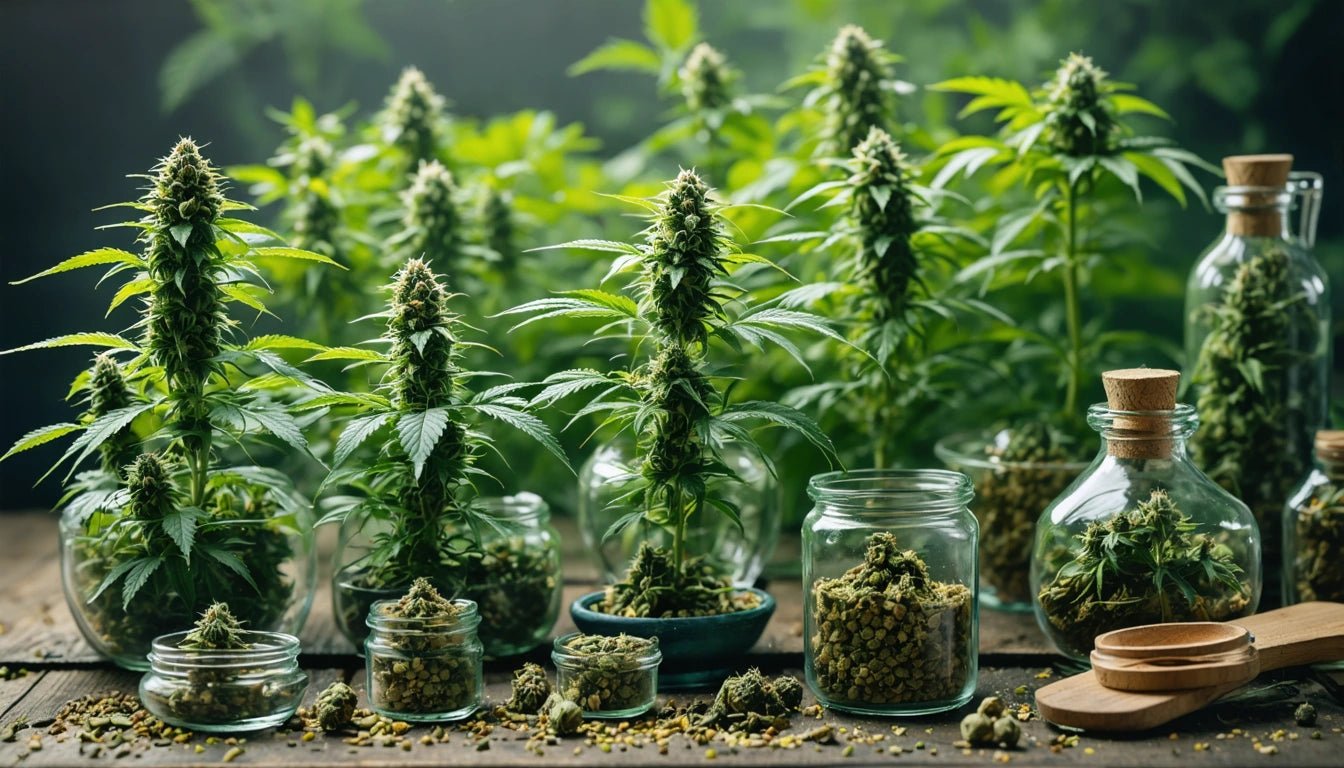
Cannabis products go through multiple stages before appearing on retail shelves. From harvest to final packaging, each step plays a role in shaping the characteristics of the product that reaches consumers.
Harvesting the Plant
The process begins with harvesting mature cannabis plants at the appropriate stage of development. Timing can influence factors such as moisture content and overall plant structure, which are important for the next stages.
Drying and Curing
After harvest, cannabis is carefully dried to remove excess moisture. This is followed by curing, a controlled process that helps stabilize the plant material. Proper curing supports consistency in texture and aroma over time.
Trimming and Preparation
Once curing is complete, the plant material is trimmed and prepared for packaging. This stage ensures that the final product meets quality standards and is ready for distribution.
Testing and Compliance
Before products enter the market, they are typically tested to meet regulatory requirements. These tests verify various characteristics and help ensure consistency across batches. Research into cannabis regulation, such as this overview of cannabis policy and industry practices, explains how these systems are structured in legal markets.
Distribution and Retail
After testing, products move through distribution channels before reaching retail locations. Packaging and storage conditions during this stage continue to influence product stability.
Understanding the Full Lifecycle
Each stage in the process contributes to the final characteristics of cannabis. For additional insight into how storage conditions affect products after purchase, you can explore our guide on how to store cannabis properly.
Understanding the journey from harvest to shelf provides a broader perspective on how cannabis is prepared before it reaches the consumer.