
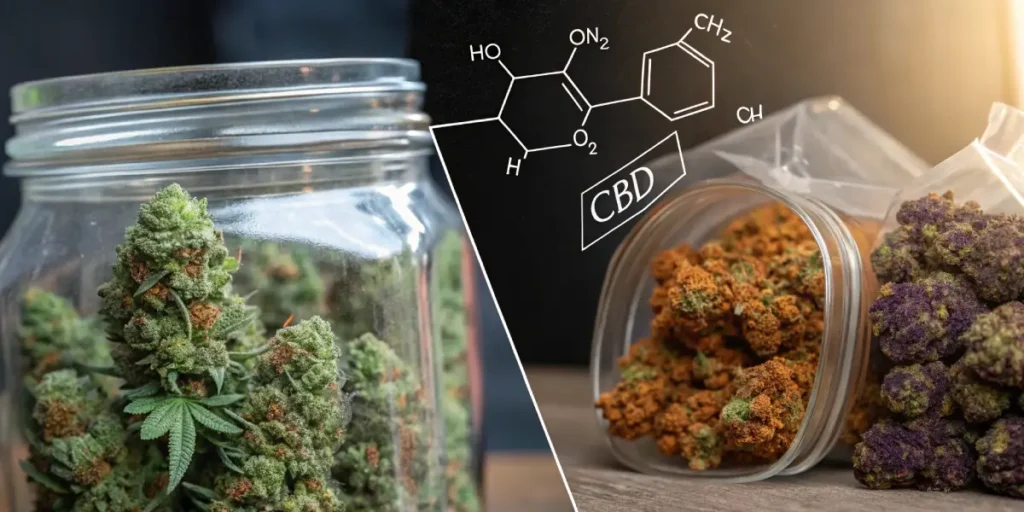
Cannabis products are often labeled with packaging or harvest dates, but many consumers wonder what those dates really mean. While cannabis doesn’t have a traditional expiration date, its characteristics do change gradually over time.
What Shelf Life Means for Cannabis
Shelf life refers to how long cannabis maintains its original potency, aroma, and texture. Over time, exposure to air, light, and temperature fluctuations can alter these qualities.
Changes in Potency Over Time
As cannabis ages, THC slowly degrades into other compounds. This process doesn’t happen immediately, but extended storage can result in reduced potency compared to when the product was freshly packaged.
Aroma and Terpene Degradation
Terpenes are among the most delicate components of cannabis. As they evaporate or break down, aroma becomes less pronounced. Research on terpene stability, such as this overview of terpene behavior in plant compounds, highlights how sensitive these molecules are to environmental exposure.
The Role of Storage Conditions
Storage plays a major role in shelf life. Consistent humidity, minimal light exposure, and sealed containers help slow degradation. Improper storage can accelerate dryness and aroma loss.
Why Shelf Life Awareness Matters
Understanding cannabis shelf life helps set realistic expectations. For a deeper look at how freshness is preserved, you can also read our article on what defines cannabis freshness beyond THC numbers.
Shelf life isn’t about safety alone—it’s about preserving the natural characteristics that define each cannabis product.