
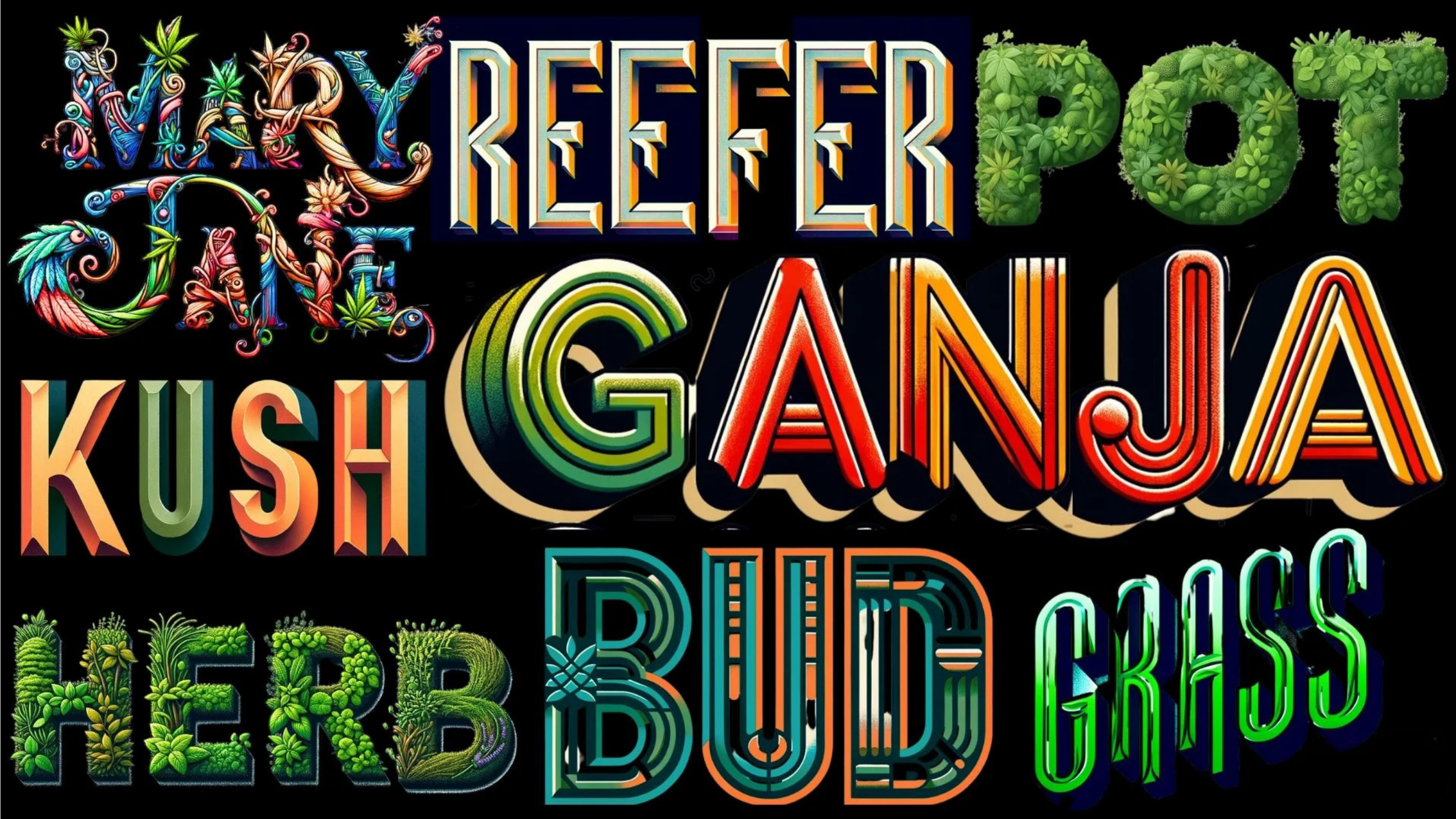
Language is a big part of culture, and cannabis culture is no exception. Over the years, the way people talk about cannabis has shifted alongside changes in laws, access, and public perception.
Early Slang and Counterculture Terms
In the mid-20th century, cannabis was often discussed in underground or counterculture settings. Slang terms became a way to speak discreetly and signal community. Many of these words reflected the social climate of the time and the need for coded language.
The Shift Toward Industry Language
As legalization expanded, cannabis vocabulary began to sound more like other regulated industries. Terms like “flower,” “concentrates,” and “cannabinoids” became more common in place of older slang. This shift helped create clearer communication between producers, retailers, and consumers.
Why Terminology Continues to Change
Language evolves as understanding grows. As research into cannabis compounds and plant characteristics increases, more precise terms enter everyday use. For example, discussions around terpenes and cannabinoids now appear in mainstream conversations. Scientific resources, such as this overview of cannabinoids, help standardize how these terms are defined.
Modern Cannabis Communication
Today, cannabis language often balances cultural roots with professional clarity. Words once limited to niche communities are now part of broader conversations, while newer terms help describe products and plant properties more accurately.
Why This Evolution Matters
The way people talk about cannabis reflects how society views it. Changes in terminology show a shift from secrecy toward transparency and shared understanding. For more insight into how cannabis characteristics are discussed today, you can read our article on what defines cannabis freshness beyond THC numbers .
As the industry and culture continue to grow, the language around cannabis will likely keep evolving too.